Lim Chanvirakyoth
Phnom Penh
Cambodia
Phnom Penh,
To
the reader
wherever you are
Trust and Talent: notes from the NACT Working Group in Jakarta
In Jakarta I shared Cambodia's view on AI governance and the digital divide: infrastructure connects our economies, but digital literacy connects our people. My briefing paper, in short.
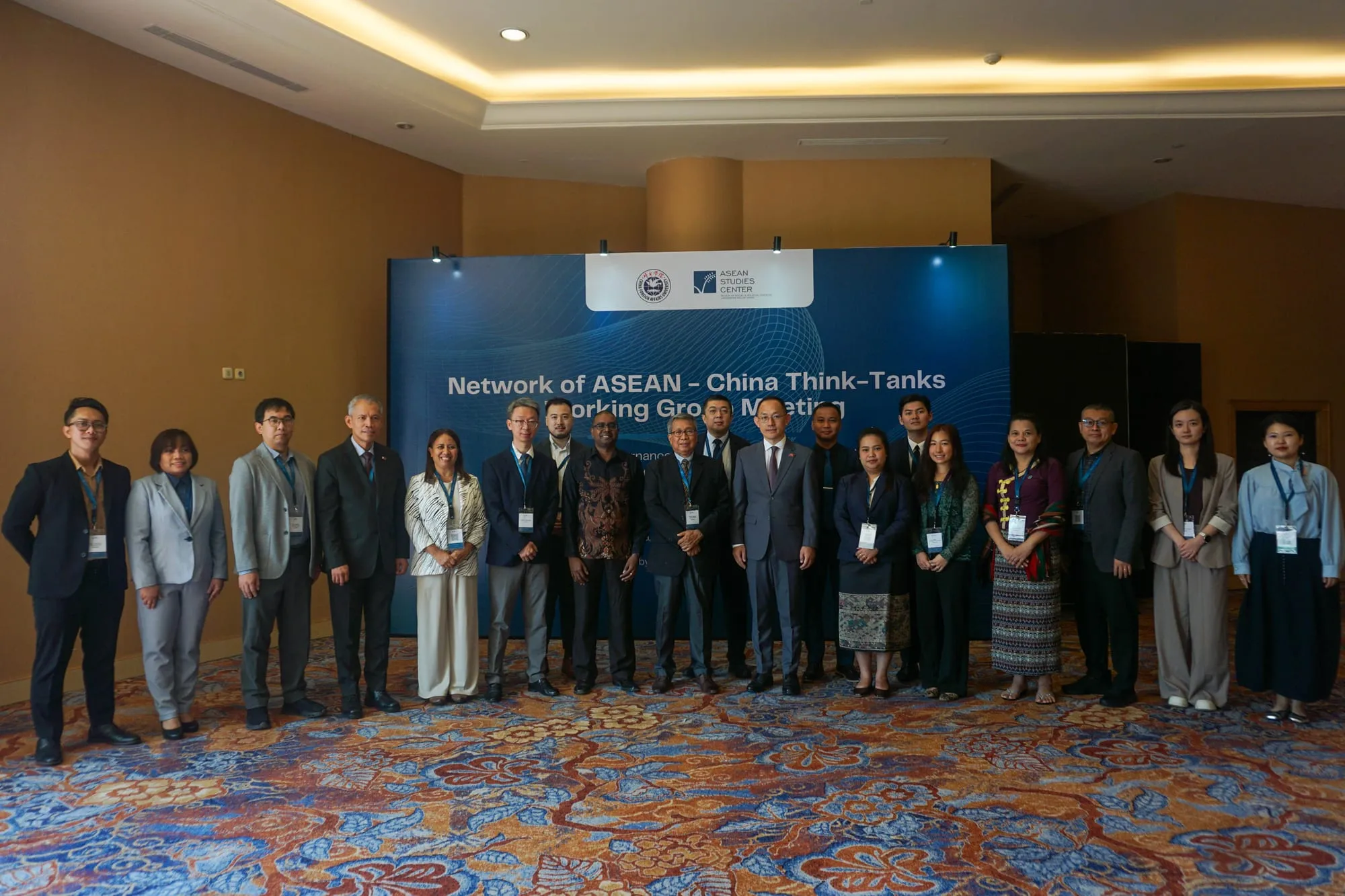
In July 2026 I joined the Network of ASEAN–China Think-Tanks (NACT) Working Group Meeting in Jakarta, representing the Cambodian Institute for Cooperation and Peace (CICP) and NACT Cambodia. I brought a short briefing paper, Trust and Talent: Grassroots Skills and Shared Rules for a Safe Digital Future. You can read the full paper (PDF). This letter is the short version.
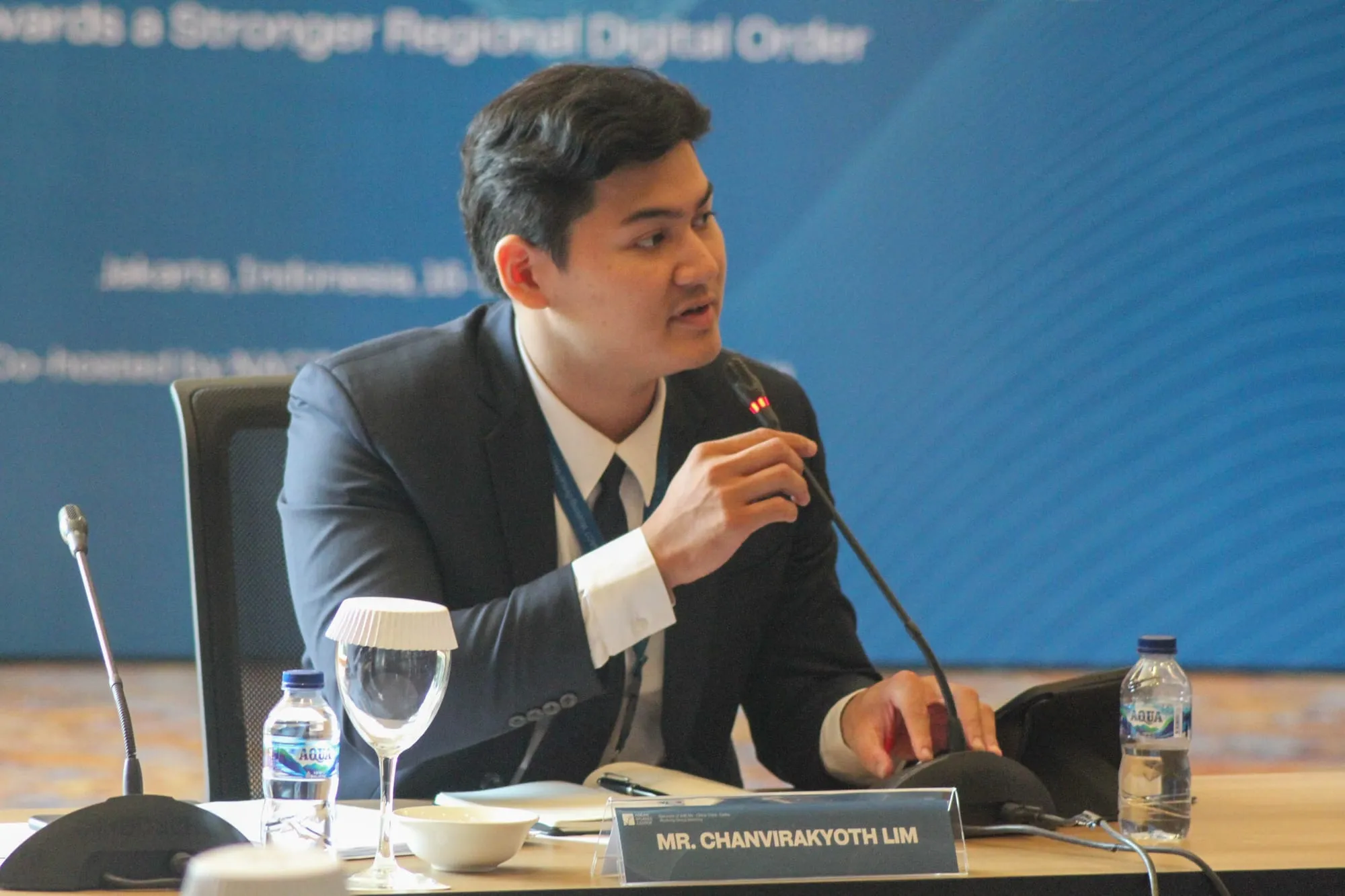
The barrier is not the cables. Most regional digital cooperation is about physical infrastructure: 5G, subsea cables, data centres. Those matter. But the ASEAN Digital Economy Framework Agreement points to a two-trillion-dollar regional digital economy by 2030, and the ASEAN Digital Masterplan 2030 reports that 78% of stakeholders name the digital skills gap as the main barrier to getting there. Hardware cannot deliver that future without people who can use it safely.
A human firewall. Cybersecurity usually means software defences. But in an age of AI-driven fraud, deepfakes and disinformation, the most vulnerable point in any network is the person using it. I argued for a “Human Firewall”: a digitally literate public that can judge information critically, use AI tools safely and keep good data habits. Closing the digital divide is not only about fairness. It is a requirement for regional security.
Starting early. Cambodia is acting on this through the Ministry of Post and Telecommunications’ Roadmap for Digital Skills Development (2024–2035). Rather than waiting for university, the roadmap brings basic digital literacy, computational thinking and early AI awareness into schools, with train-the-trainer programmes so teachers are ready even before every classroom has the equipment. For the people already in work, public awareness campaigns and digital intelligence seminars target today’s risks, like phishing and deepfakes.
Rules people trust. Skills need a trusted environment. Cambodia follows the ASEAN Guide on AI Governance and Ethics and the cooperative ASEAN–China frameworks, looking for shared baselines such as data security and user safety. As the National AI Strategy (2025–2030) takes shape, informed by UNESCO’s AI Readiness Assessment, one question is how to make these standards feel local. Grounding them in Theravada principles of non-harm and collective benefit gives the rules a familiar spirit: not a checklist, but a reason people can accept them.
Three observations I shared with the working group:
- Early education is a frequently overlooked layer of regional cybersecurity.
- People trust AI rules more when those rules reflect their own cultural values.
- Training local developers to shared ASEAN–China standards helps smaller countries move from consuming technology to contributing to it.
Everything comes back to one line, which I closed with in Jakarta: digital infrastructure connects our economies, but digital literacy connects our people.
With care,
References
- Lim, C. (2026). Trust and Talent: Grassroots Skills and Shared Rules for a Safe Digital Future. Briefing paper, CICP / NACT Cambodia. link ↗
- ASEAN Digital Economy Framework Agreement (DEFA).
- ASEAN Digital Masterplan 2030.
- Royal Government of Cambodia. Cambodia Digital Economy and Society Policy Framework (2021–2035).
- MPTC. Roadmap for Digital Skills Development in Cambodia (2024–2035).
- Cambodia National Artificial Intelligence Strategy (2025–2030), draft.
- UNESCO. Readiness Assessment Methodology (RAM) on Artificial Intelligence.